
Nobody wants a flat tire
Flat tires are inconvenient and potentially dangerous, not to mention an unexpected expense to repair or replace. No fun!
When you know what causes flat tires, you take steps to prevent a pop, crack, or puncture. First, let’s take a look at the six most common causes of flat tires. Then, we can tell you what you can do to avoid them and prevent a flat from happening.
The 6 most common causes of flat tires
1. Punctures
Sharp objects can poke holes in your tires. Nails, glass, rocks, gardening tools—anything with a sharp or pointed tip can all puncture a tire, create a hole and cause the tire to leak or blow out.
TIP: Prevent punctures by keeping your driveway clear from debris and avoiding roads or areas such as construction sites where you are more likely to drive over something sharp.
2. Rough Roads
Rocky roads and debris can cause punctures which may lead to a flat tire. But something you may not think about is rough, uneven roads that cause your vehicle to suddenly and repeatedly bounce and experience hard landings. Driving over pot holes, construction, speed bumps and more can put a lot of pressure on your tires, especially if you hit them too fast. A hard landing puts pressure on the side walls of your tires and can lead to a full on blow out or a split that leaks slowly, eventually landing you with a flat tire.
TIP: If you don’t have an off-road vehicle, try to avoid driving over these obstacles to protect your tires and prevent a flat. And, if you have to navigate rough roads, take it slow to minimize sudden impact on your tires.
3. Leaky Valve Stem
Over time, the valve stem can become damaged and the connection point between the valve and the tire can crack or split creating a hard-to-spot leak. Check it every time you check your tire pressure. Not sure? Have a mechanic take a look at your next visit.
4. Over or Underinflated Tires
Making sure your tire pressure is within the outlined parameters for your specific tires is essential. When your tires have too little pressure, they can bend and fold while you drive, leading to blowouts, cracks in the tire sidewalls, or pinch flats. On the other hand, when your tire pressure is too high, a flat can happen because the tire is stretched and lacking flexibility, making it less able to adapt to uneven road conditions.
TIP: Check your tire pressure regularly. Most gas stations have air pumps with a pressure gauge that you can use, or you can buy one to keep at home or in the car.
5. Heat
When air heats up, it expands. When that happens inside your tire, your tire pressure can rise above safe limits, making it more likely to blow out.
TIP: When the temperature is high, check your tire pressure before heading out on the road to make sure you are starting out with a properly inflated tire.
6. Wear and Tear
Tires wear out over time. The rubber can become brittle, making it more susceptible to cracks and splits. It can also thin out, making it less able to withstand changing temperatures, road conditions and tire pressure.
TIP: The average car tire will last up to 80,000 KM. If you think you are nearing that milestone, have your tires checked out more frequently and prepare to replace them before a flat happens.
How to prevent flat tires.
First and foremost, take care of your tires.
Proper tire maintenance is an essential first step to preventing a flat. This can include:
Regularly checking your tire pressure at home or at the gas station
Having a mechanic inspect your tires for visible signs of wear and tear or damage
Changing your tires seasonally
Of course, driving safely and staying within the speed limit will also help protect your tires by limiting unnecessary wear caused by potholes, debris, and rough roads.
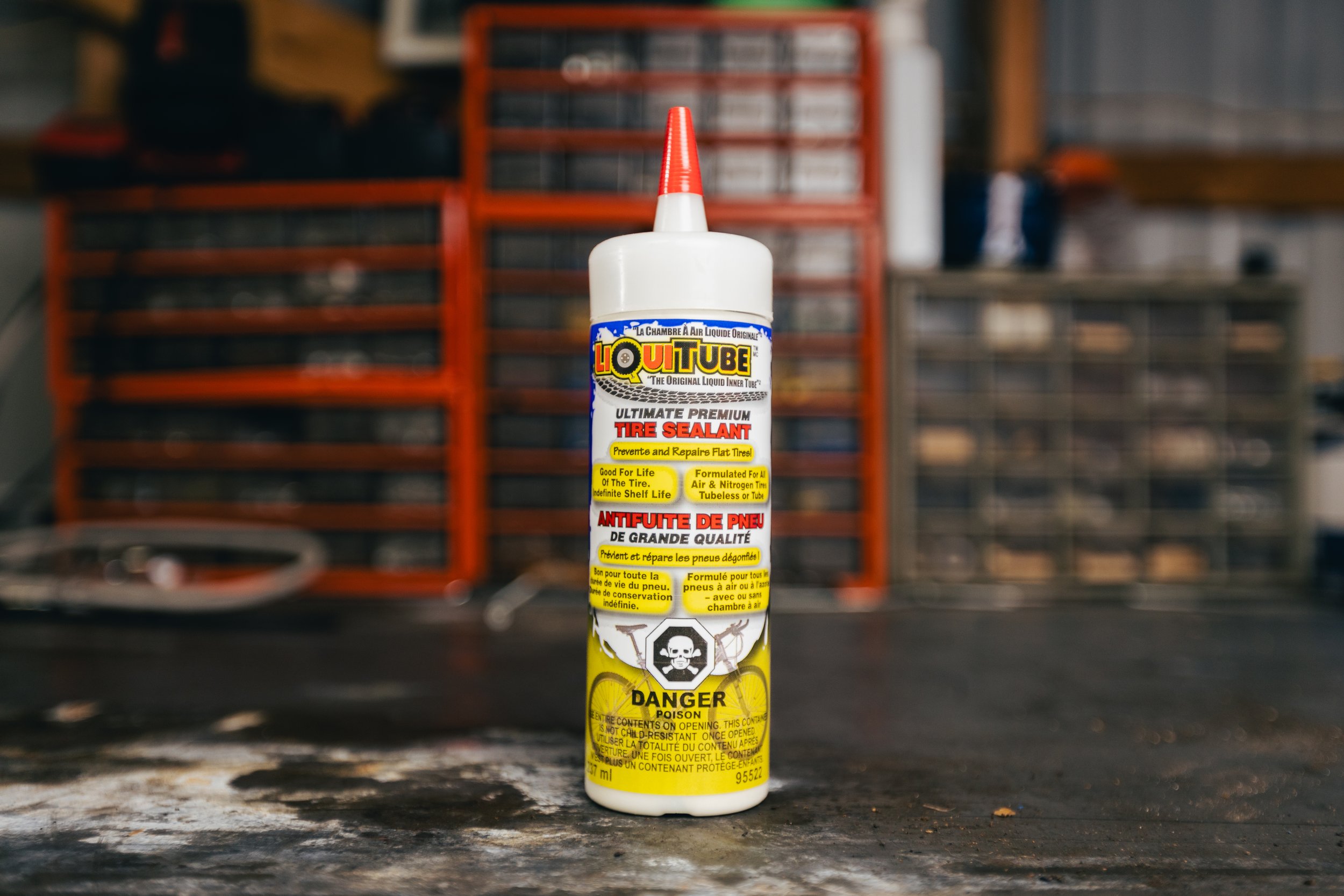
Finally, treating your tires with a trusted sealant like LiquiTube is an excellent way to prevent flat tires. LiquiTube coats the inner surface of the tire to eliminate all sources of air loss, including along the rim, bead, weather cracking, and porosity leaks. It is also able to instantly patch 1/4" punctures in small tires and up to 3/4" punctures in heavy-ply industrial tires. Its quick, easy and mess-free application happens in minutes and requires no fancy equipment - just a simple pump and access to the tire’s valve stem.
If you want to be proactive and stay ahead of flat tires, visit your local parts store and ask for LiquiTube Tire Sealant.
Do you want LiquiTube on the shelf at your store?
Are you a store buyer looking to stock LiquiTube? Contact NLS Products today and let us help you get this product on your shelves.
By offering LiquiTube to your customers, you're providing them with the essential product they need to keep their tires free from flats and on the road longer.